Stacking, nesting and the freight bill: how a chair shape decides your landed cost
20 April 2026 · YIMIGA export desk · 4 min read
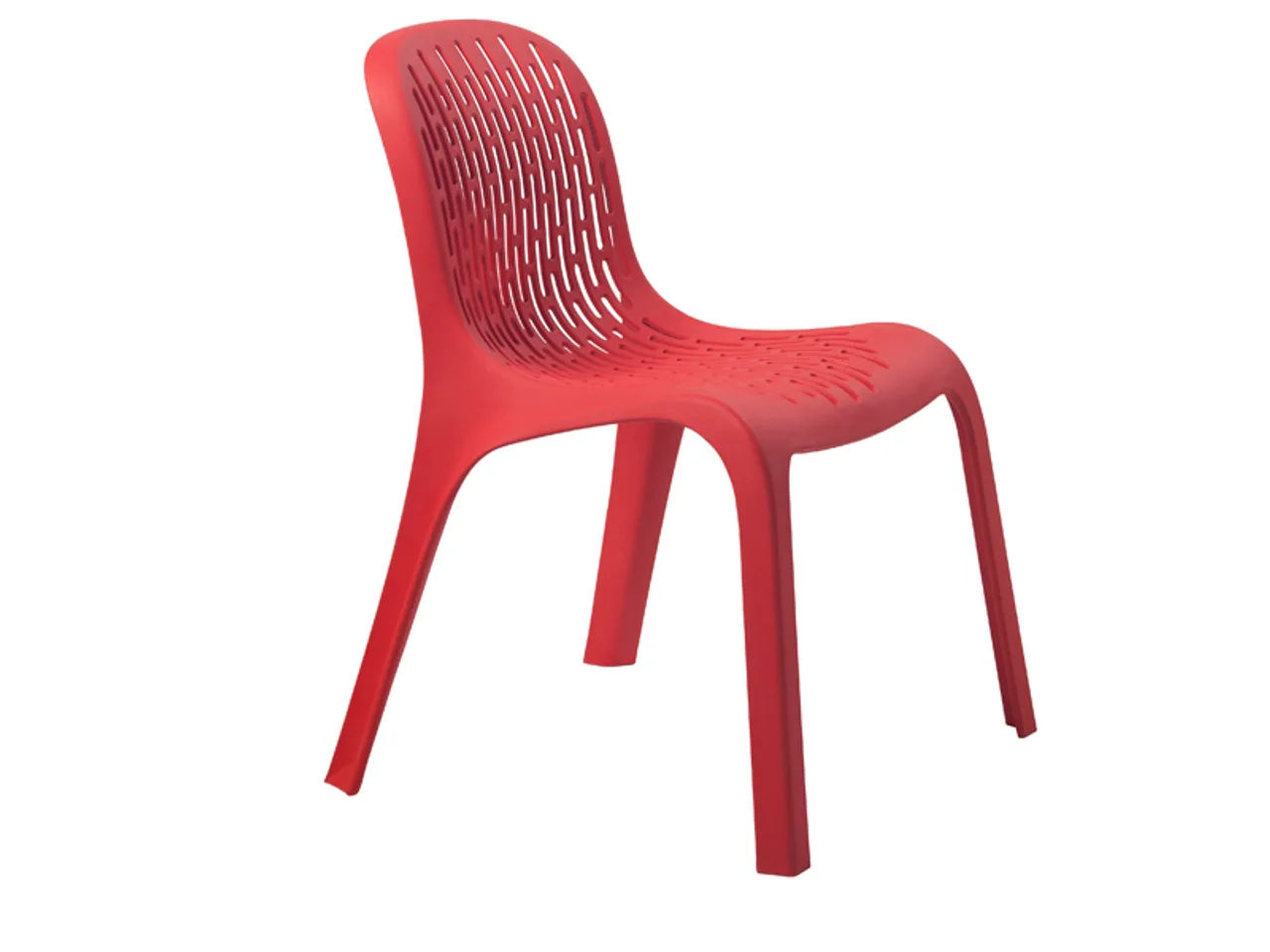
One of the first serious questions a wholesale buyer asks is "how many fit in a container?" It is the right question, because plastic chairs are light and bulky — you cube out long before you hit a weight limit, which means you are buying air unless the chair is shaped to pack. With stacking and nesting seating, the geometry of the chair moves your landed cost more than a few cents on the FOB price ever will. Buyers new to this often find the ChairManufacturer.net guide to container loading a useful reference alongside the factory numbers we provide.
The volume you actually have
A 40-foot container takes somewhere around twenty to twenty-four standard or Euro pallets depending on pallet size and how cleverly the floor is laid out — pinwheel and other optimized arrangements squeeze in the extra one or two. That pallet count is fixed by the box. What changes your chair count is how many chairs ride on each pallet, and that is decided by stack height.
Why stack height beats unit price
A good stacking chair nests into the one below it so a column of fifty takes far less vertical space than fifty chairs standing separately — rental operators routinely store them in stacks of around fifty for exactly this reason. The tighter the nest, the more chairs per pallet, the more per container, and the lower the freight cost spread across each chair. A chair that nests 20 percent tighter is, in landed-cost terms, often a cheaper chair than one with a lower FOB price that wastes vertical space.
Folding chairs play the same game from the other direction: folded flat, they stack into clean rectangles that pallet neatly, which is part of why rental fleets like them. Our blow-moulded folding chairs are designed so the folded profile pallets without wasted gaps.
A worked example
Put rough numbers on it. Say a container takes 22 pallets and a given chair nests so that 60 ride on a pallet — that is roughly 1,320 chairs. Improve the nest so 75 fit on the same pallet and you are at about 1,650 chairs in the identical box, with the identical ocean freight bill. That is a quarter more chairs sharing the same shipping cost, which drops the freight component of each chair's landed cost by about a fifth. Nothing about the FOB price changed; the geometry did the work. This is why we will sometimes recommend a chair with a slightly higher unit price if it nests enough tighter to win the landed-cost math — the number that actually hits your P&L is delivered cost per chair, not the line on the proforma.
The trade-off, stated plainly
Here is the genuine tension. A deeply nesting chair has to be drafted with the right taper, and that can constrain the seat shape and the styling a little — a flatter, squarer seat that looks great may nest worse than a tapered one that packs tight. There is also a practical limit: stack a column too high and the chairs at the bottom carry the weight of the whole stack in the warehouse and the truck, so we rate a safe stack height rather than letting you pile them to the ceiling. For a buyer whose cost is dominated by ocean freight to a distant market, we push the tighter-nesting shape and accept the styling compromise, because the freight saving dwarfs it. For a buyer close to port with cheap inbound logistics, the styling can win. Neither is wrong; they are different cost structures.
Floor-loaded or palletized?
There is one more lever worth knowing. You can ship chairs on pallets, which is fast to load and unload and protects the cartons, or you can floor-load them loose to squeeze in more units, which a high-volume buyer with cheap labour at the far end sometimes prefers. Palletized loading caps you at the pallet count the box allows; floor-loading can lift the chair count but costs more handling time at both ends and risks more carton scuffing. For most event-rental and wholesale buyers we recommend palletized, because the handling saving and the lower damage rate usually beat the extra units — but if your destination labour is cheap and your margins are thin, we will run the floor-load numbers for you and let you choose.
One caution from experience: do not let any supplier quote you the theoretical maximum chair count. That number assumes a perfect load with no dunnage and no door-end gap, and real containers never load that cleanly. We quote a realistic figure and a loading plan — chairs per pallet, pallets per container, CBM per carton — so you can compute landed cost yourself rather than trust a marketing number. Send your model and destination on the contact form and we will return the real plan, or see how we configure a run on the OEM / ODM page.