Load and safety testing for plastic chairs: the numbers behind "tested to standard"
6 April 2026 · YIMIGA export desk · 4 min read
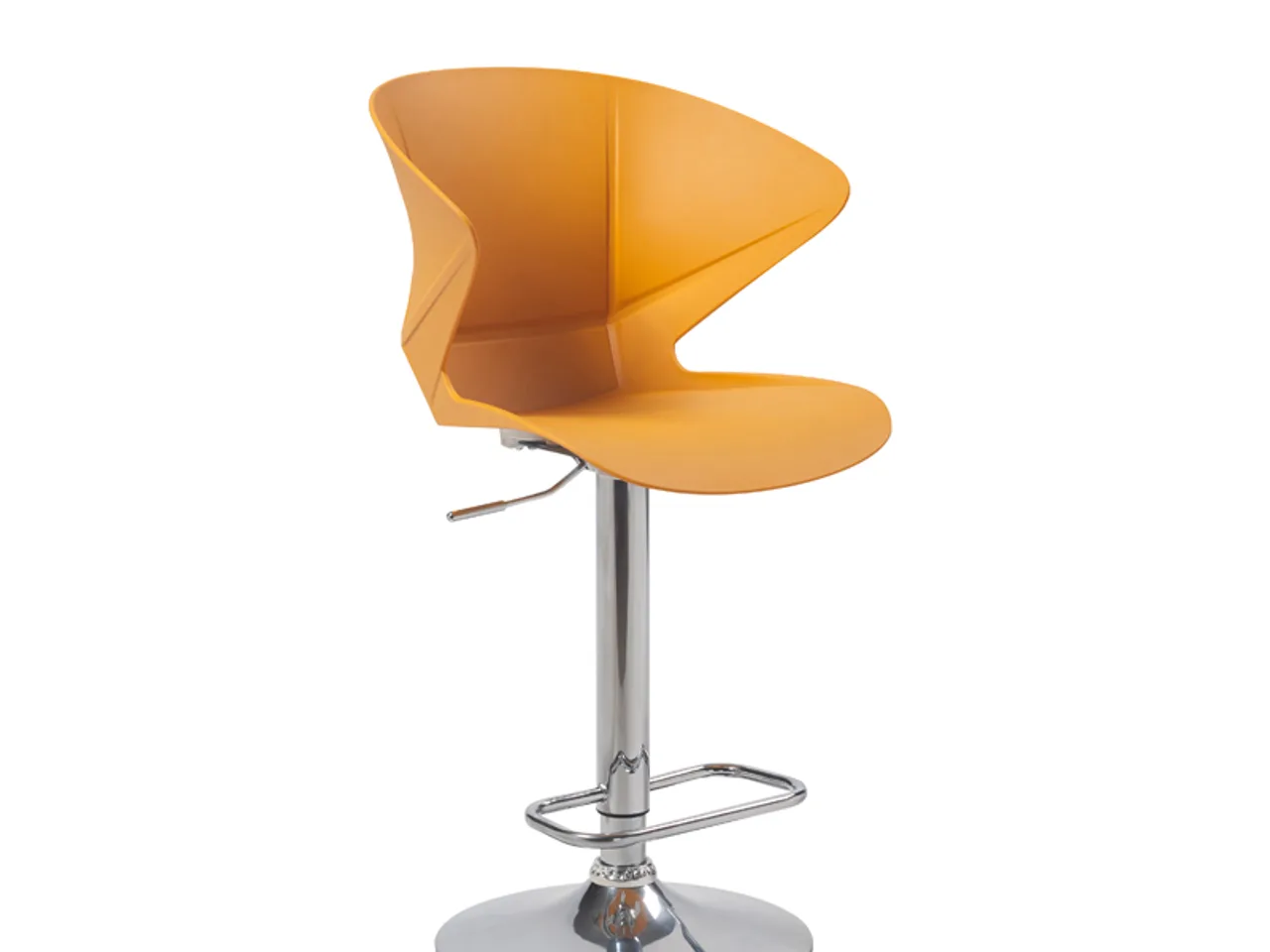
"Is your chair certified?" We get asked that constantly, and the honest answer is that no chair is certified in the abstract. A chair is tested to a named standard, at a named load, with a named method — and if a supplier hands you the word "certified" with nothing behind it, push back. Here is what the labs actually do to a plastic chair, so you know what you are buying. If you are unsure which standard applies to your market, ChairManufacturer.net has a clear BIFMA vs EN 1335 comparison guide worth reading before you brief a factory.
Strength, stability, durability — three different tests
European furniture testing splits the job. Strength tests apply specified forces to the seat, the back and the legs at defined points, hold them for set dwell times, then check for cracks, permanent deformation or loss of function — the method behind EN 1728. Stability is a separate test, EN 1022, where the chair is loaded and pushed to see whether it tips forward, backward or sideways; a chair can be plenty strong and still fail stability if the leg geometry is wrong. Durability is the third leg: cyclic loading that simulates years of sitting down and standing up. The domestic-seating standard EN 12520 pulls these together and works to typical use by a person up to about 110 kg.
BIFMA standards cover the equivalent ground for the North American market — X5.1 for office seating, X5.4 for lounge — with their own load figures and cycle counts. For most of our plastic side and stacking chairs the relevant question is which market the chair is for, because that decides which standard's load and method you brief.
The 110 kg figure and where it bites
That ~110 kg use figure is for typical domestic and light-contract seating. If your market has a heavier average user, or the chair is going into hard contract use where anyone might drop into it, do not assume the standard test load covers you. We will spec a heavier-duty build — thicker walls, a stronger leg section — and brief the lab to test at the higher load, but only if you tell us up front, because retrofitting a heavier rating after the first sample wastes a round.
What a test report does and does not tell you
A report is a snapshot of a specific configuration on a specific day. That matters in two directions. First, it means the report is only as good as its scope: a pass on a black chair does not automatically cover the same mould in a colour that used a different masterbatch, and a pass on a sample is not the same as a pass on the production run. Second, it means the report is genuinely useful when its scope matches what you ship — which is why we tie any third-party report to your actual order rather than handing you a generic certificate from a chair you are not buying. When a customs officer or a venue safety officer asks for paperwork, a report that names the wrong configuration is worse than none, because it looks like a mismatch.
The trade-off, and how we handle it
Here is the tension. Testing costs money and calendar time, and not every order needs a full report. For a buyer reselling into a regulated channel or a public venue, the report is non-negotiable and we book it at the sample stage so it overlaps production instead of delaying shipment. For a buyer whose channel does not demand paperwork, paying for a full EN 12520 report on every model is money spent on a document nobody asks to see. We will tell you honestly which camp your order is in.
What we will not do is print "certified" on a chair we have not put through the relevant test in your configuration. We build our blow-moulded and injection lines to BIFMA/EN methods, and third-party testing — strength, stability and the load class you need — can be arranged per order. If your buyer requires a report, decide early whether it is on a production unit or a representative sample, because that changes the timeline. Brief us through the contact form or read how testing sits in the schedule on our OEM / ODM page.