Blow moulding vs injection moulding: two ways to make a plastic chair, two failure modes
30 May 2026 · YIMIGA export desk · 4 min read
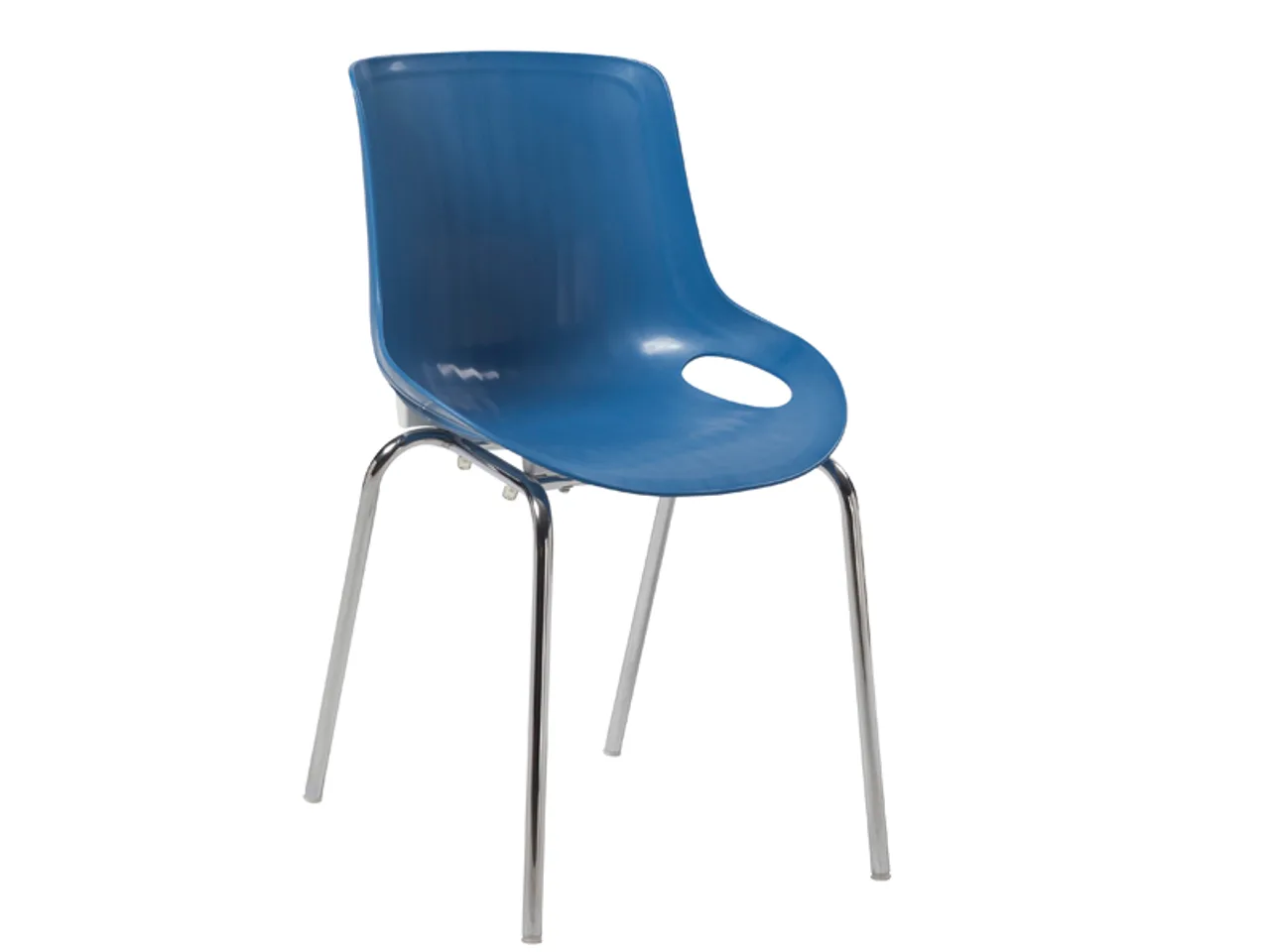
The question lands in our inbox most weeks: blow-moulded or injection-moulded — which is better? There is no honest one-word answer, because the two processes build different chairs that fail in different ways. We run both lines under one roof, so let me lay out the real difference instead of selling you one over the other.
What each process actually does
Injection moulding forces molten plastic into a closed steel tool under high pressure, so the part comes out solid, with crisp detail and a smooth surface. It is fast — a cycle runs in seconds to a couple of minutes — and it is the right call for thin, detailed, high-volume parts like a stacking side chair. Blow moulding is different: a hot tube of plastic is clamped in the mould and air-inflated against the cavity wall, so the part comes out hollow, double-walled. Think of the typical banquet folding-chair seat and back — light, with a void inside.
That structural difference drives everything else. Our blow-moulded chairs use a higher-molecular-weight resin than injection grades, and that buys two things buyers feel: higher impact toughness and better environmental stress-crack resistance. A blow-moulded back flexes and takes a knock without the brittle snap you sometimes get from a cheap injection shell. The trade is surface finish. A blow-moulded part is never as sharp or as glossy as an injection-moulded one — the process simply does not press detail the same way.
Tooling and the cost picture
Blow moulds are generally cheaper to cut than the high-pressure steel tools injection needs, which lowers the entry cost for a new model — a real consideration if you are launching a single SKU rather than amortizing a tool across tens of thousands of units. But injection wins on per-part speed once you are running volume, because the cycle is shorter and the scrap is lower. A thin injection side chair can drop out of the tool in under a minute; a large blow-moulded folding seat takes longer per shot. So the cost answer depends on which curve you are on: low-to-mid volume with a forgiving surface favours blow; high volume of a detailed shape favours injection.
There is a weight angle too, and it cuts both ways. A blow-moulded part is hollow, so for its size it can be lighter than a solid injection part of the same footprint — good for the crew lifting it and for freight, because plastic chairs cube out before they weigh out. But a blow-moulded chair is bulkier for the same seat area because of the wall thickness, so it can take more room in the stack. We weigh that against nesting depth when we draft a model.
Where each one actually fails
This is the part buyers should care about most. An injection chair, if the wall is thin or the resin is brittle, fails by cracking — a sharp split at a stress point, often the back-to-seat junction, after a hard knock or a heavy user. A blow-moulded chair fails differently: because it is hollow and the resin is tougher, it tends to flex and deform rather than snap, and when it does give out it is more often a creep or a softening at a loaded corner over years, not a sudden crack on day thirty. For a rental fleet that takes daily abuse, the failure mode that buys you the most service life is the one that bends before it breaks.
The trade-off, stated plainly
Here is what we tell event-rental buyers. If chairs get thrown into a truck, stacked fifty high, dropped on concrete and wiped down after every wedding, we steer you to blow-moulded — the double-wall back and seat shrug off impact and the rougher finish does not show scuffs. If you are selling a tidy indoor stacking chair where the look on a showroom floor matters and the duty is gentler, injection-moulded PP stacking chairs give you the cleaner line and a sharper edge. Spending injection money on a rental chair buys you a finish nobody at a wedding inspects; spending blow-mould money on a retail showpiece buys toughness it may never need. We run both lines, so we have no reason to push you toward whichever mould happens to be free that week.
We build both to BIFMA/EN furniture test methods and third-party testing can be arranged per order. Tell us how the chairs get used and into which market, and we will recommend the process rather than push the one with the open mould. Start through our contact form or read how a private run works on our OEM / ODM page.